The Dyatlov Pass Incident: Nine Deaths in the Siberian Wilderness
The Expedition That Ended in Tragedy
On January 27, 1959, a group of nine experienced ski hikers led by Igor Dyatlov set out on an expedition to reach Otorten Mountain in the northern Urals. All were students or graduates of the Ural Polytechnical Institute, seasoned in winter mountain travel. None would return alive.
When the group failed to send a telegram confirming their safe return by February 12, search parties were dispatched. What they discovered on February 26 would become one of the most baffling mysteries of the 20th century.
The Scene of Inexplicable Horror
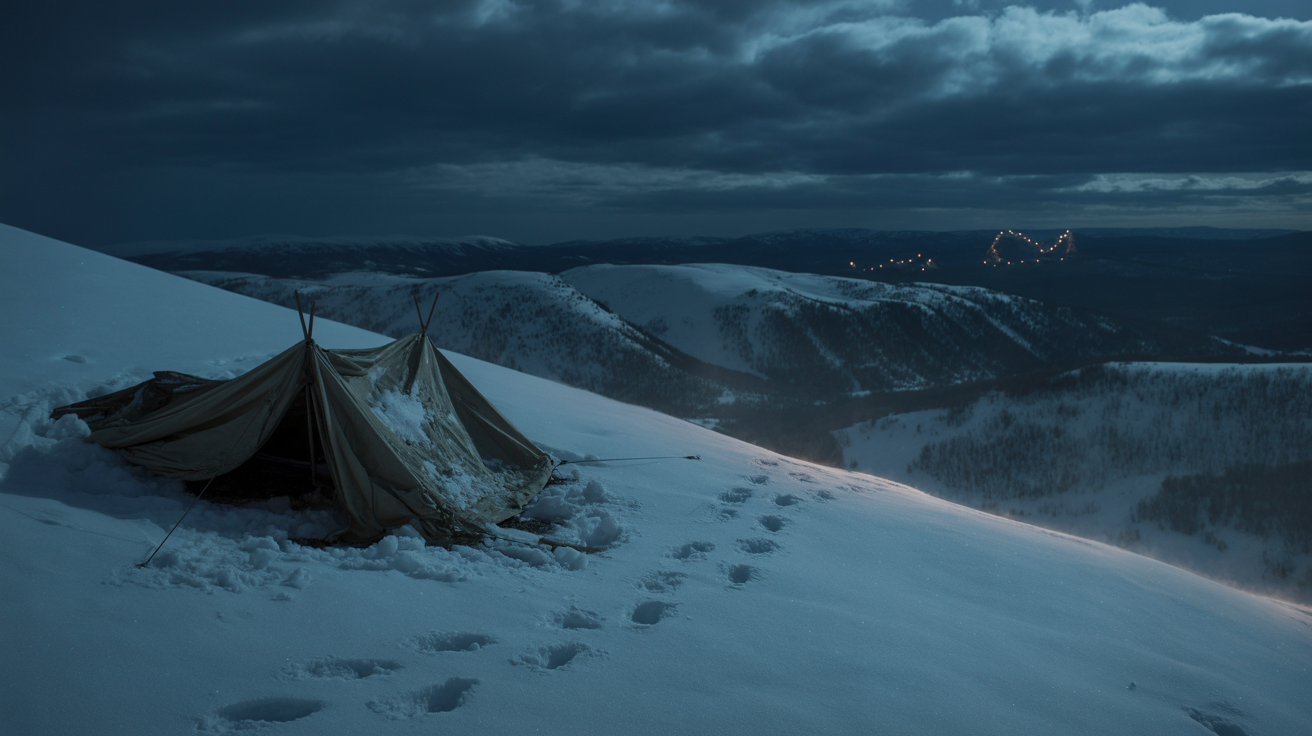
The searchers found the group's tent on the slopes of Kholat Syakhl, which translates ominously to "Dead Mountain" in the local Mansi language. The tent had been cut open from the inside, and footprints led away into the snow—some barefoot, others in socks. The hikers had fled into the brutal Siberian night, where temperatures plummeted to -30°C (-22°F).
The first two bodies were found beneath a cedar tree, dressed only in underwear. Three more, including Dyatlov himself, were discovered between the cedar and the tent, apparently attempting to return. The final four weren't located until May, buried under four meters of snow in a ravine 75 meters from the cedar.
The Disturbing Evidence
The autopsy reports revealed details that defied conventional explanation. While six died of hypothermia, three had suffered severe internal trauma. Lyudmila Dubinina had major chest fractures, a missing tongue, and part of her upper lip. Alexander Zolotaryov had similar chest injuries. The force required for such damage was compared to a high-speed car crash, yet there were no external wounds or signs of struggle.
Some clothing showed traces of radioactivity. Witnesses reported strange orange spheres in the sky around the time of the incident. The official investigation concluded only that the hikers died from a "compelling natural force" they could not overcome.
Theories and Speculation
Over six decades, theories have ranged from avalanche and infrasound-induced panic to military testing, indigenous attack, and even paranormal phenomena. In my years analyzing threat patterns for the Agency, I learned that when evidence doesn't fit conventional explanations, you're either missing critical information or dealing with something unprecedented.
A 2019 Russian investigation concluded an avalanche was responsible, but this fails to explain the radiation, the severe internal injuries without external trauma, the missing tongue, or why experienced mountaineers would flee their only shelter in deadly conditions. The tent showed no signs of being buried by snow.
The Pattern That Doesn't Fit
What troubles me most is the behavioral pattern. These weren't panicked amateurs—they were disciplined, experienced hikers. Yet something compelled them to cut through their tent and flee into certain death. In intelligence work, we call this a "break in pattern"—when trained individuals act completely contrary to their training and survival instincts.
The Dyatlov Pass incident remains officially unsolved, a frozen moment in time where nine lives ended for reasons we may never fully understand. The mountain keeps its secrets, and the truth lies buried somewhere in the Siberian snow.
🏔️ Video: The Dyatlov Pass Incident
A Knight Phenomena Investigation